Understanding Dryer Mechanics
When it comes to household appliances, understanding the intricacies of dryers is crucial for any homeowner. Dryers, particularly in 2026, boast advanced technology that ensures efficient and effective drying of clothes. As Dryer Experts, knowing how these machines work, their common problems, and what tools are essential for repairs is a necessity for maintaining optimal performance.
How Dryers Work: Key Components Explained
At the core of every dryer lies a series of components that work seamlessly together. These include:
- Heating Element: This is responsible for generating warm air that dries the clothes.
- Drum: The rotating drum tumbles the clothes, exposing them to the hot air.
- Blower Fan: This circulates air through the drum and helps expel moisture.
- Thermostat: Regulates the temperature inside the drum, ensuring it doesn't overheat.
- Lint Filter: Catches lint and debris that can affect dryer efficiency.
Common Dryer Issues and Their Symptoms
Even the most reliable dryers can experience issues. Some common problems include:
- Dryer Not Heating: This can be due to a faulty heating element or thermostat.
- Drum Not Spinning: Often caused by a broken belt or motor failure.
- Excessive Noise: Usually indicates worn-out rollers or drum support.
- Lint Buildup: This can lead to reduced efficiency and even fire hazards.
Tools Every Dryer Expert Should Have
Successful repairs often hinge on having the right tools. Essential tools include:
- Screwdriver Set: For opening the dryer casing and accessing internal components.
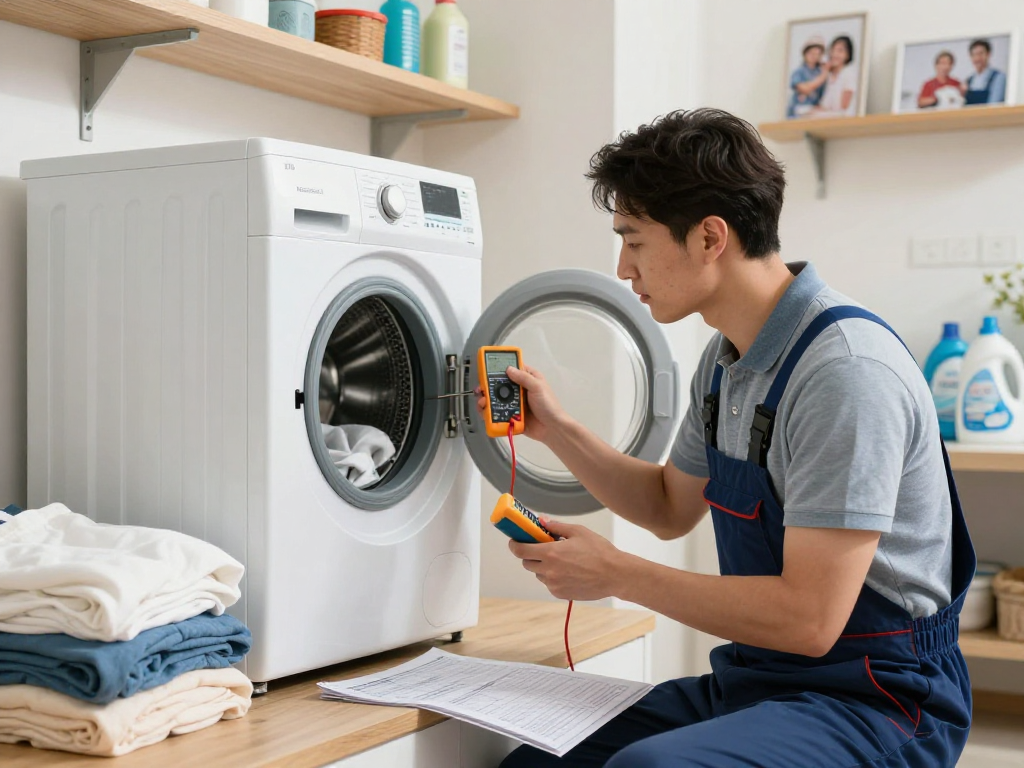
- Multimeter: Essential for diagnosing electrical issues.
- Pliers: Useful for gripping and pulling components.
- Socket Wrench: For removing bolts and securing components.
- Vacuum Cleaner: To clean out lint and debris from the dryer and venting system.
Essential Troubleshooting Techniques
Troubleshooting is a critical skill for any appliance repair technician. Whether you’re a seasoned professional or a novice at home repair, understanding essential troubleshooting techniques can save time and money.
Preliminary Checks for Efficient Repairs
Before diving deeper into repairs, always perform preliminary checks such as:
- Power Supply: Ensure the dryer is plugged in and the outlet is functioning.
- Dryer Settings: Verify that the correct cycle settings are selected.
- Ventilation: Check for blockages in the vent hose that could hinder airflow.
Diagnosing Electrical Failures in Dryers
Electrical issues can be tricky and often require a systematic approach. Use the following steps:
- Check the circuit breaker for tripped switches.
- Inspect wiring and connections for signs of damage or corrosion.
- Utilize a multimeter to test continuity in the heating element and thermostat.
Addressing Heating Issues: A Step-by-Step Guide
When the dryer doesn’t heat, follow these steps to identify the problem:
- Unplug the dryer and check the heating element for defects.
- Examine the thermal fuse and replace it if blown.
- Test the thermostat to ensure it is functioning correctly.
- Consult the user manual for model-specific troubleshooting tips.
Safe Repair Practices for Home Technicians
Safety is paramount when working on any appliance. It is essential to adhere to best practices to prevent accidents.
Safety Precautions Before Starting Repairs
Always observe the following safety precautions:
- Disconnect the power supply before opening the dryer.
- Wear gloves to protect your hands from sharp edges.
- Ensure your workspace is free from clutter to avoid tripping hazards.
Effective Use of Personal Protective Equipment (PPE)
Utilizing appropriate PPE can minimize risks. Recommended gear includes:
- Safety Goggles: Protect eyes from debris or dust.
- Dust Masks: Prevent inhalation of lint and dust particles.
- Work Gloves: To provide grip and protect hands during repairs.
Understanding Local Regulations and Compliance
Before commencing any repairs, familiarize yourself with local regulations regarding appliance repair. Ensure compliance with safety standards to prevent legal issues.
Maintenance Tips from the Pros
Regular maintenance is key to extending the lifespan of your dryer and ensuring it operates efficiently. Here are some professional tips:
Routine Checks for Longevity of Dryers
Incorporate these routine checks into your maintenance schedule:
- Inspect the lint filter before every load.
- Clean the vent hose at least once a year to prevent clogs.
- Check the door seal for wear and tear to maintain efficiency.
Cleaning Techniques to Prevent Issues
Proper cleaning can prevent many common problems. Techniques include:
- Vacuuming: Use a vacuum to remove lint from the interior of the dryer.
- Wiping Down: Regularly wipe down surfaces to prevent buildup of dust and dirt.
- Deep Cleaning: Consider a professional deep cleaning service every few years.
Signs It's Time to Replace Your Dryer
Recognizing when to replace your dryer can save you from extended downtime. Watch for these indicators:
- Age: If your dryer is over 15 years old, consider replacement.
- Frequent Breakdowns: If repairs are becoming routine, it may be time for a new appliance.
- Increased Energy Bills: Older dryers tend to consume more energy, impacting your bills.
The Future of Dryer Technology
As technology advances, so does the functionality of dryers. The trends emerging in 2026 include innovations that enhance both performance and user experience.
Innovative Features in 2026 Dryer Models
2026 models are equipped with features like:
- Smart Sensors: Adjust drying time based on moisture levels.
- Wi-Fi Connectivity: Allow users to monitor and control their dryer remotely.
- Steam Technology: Helps reduce wrinkles and eliminate odors during the drying process.
Impact of Smart Technology on Dryer Repair
Smart technology shifts the landscape of appliance repair. With diagnostic tools built into dryers, troubleshooting can be simplified, often providing error codes to assist experts in identifying issues quickly. This advancement saves time and improves accuracy in repairs.
Emerging Trends in Home Appliance Maintenance
The rise of sustainable practices influences appliance maintenance. Expect increased emphasis on energy-efficient practices and eco-friendly components in future models. Homeowners are encouraged to consider the environmental impact of their appliances as they make purchasing decisions.
What to Do if Your Dryer Stops Working?
If your dryer suddenly stops working, first, check for basic issues such as a blown fuse or tripped circuit breaker. Next, ensure that the door is properly closed and the settings are correctly adjusted. If these steps do not resolve the issue, it may be time to consult with a professional.
How Can I Extend the Life of My Dryer?
To enhance the longevity of your dryer, regularly clean the lint filter, maintain proper ventilation, and avoid overloading the appliance. Additionally, consider scheduling periodic professional maintenance checks.
What Common Drying Problems Should I Look for?
Be vigilant for signs that indicate drying issues, such as clothes remaining damp after a cycle, unusual noises, or longer drying times. Address these problems early to prevent further complications.
Are Professional Repairs Worth the Cost?
While DIY repairs can be cost-effective, professional repairs ensure that the problem is effectively dealt with by an expert. Investing in professional services is often worth it for peace of mind and the assurance of quality repairs.
What Essential Tools Should a Dryer Expert Have?
As mentioned earlier, having the right tools is essential for any dryer expert. Key tools include a multimeter, various screwdrivers, wrenches, and cleaning tools, which allow for efficient and effective repairs.
How Do I Choose the Right Dryer for My Home?
Selecting the right dryer involves considering factors such as capacity, energy efficiency, and features. For more information, appliance Repair in Markham offers valuable insights. Evaluate your household’s laundry needs and budget, and compare different models to find the best fit.